

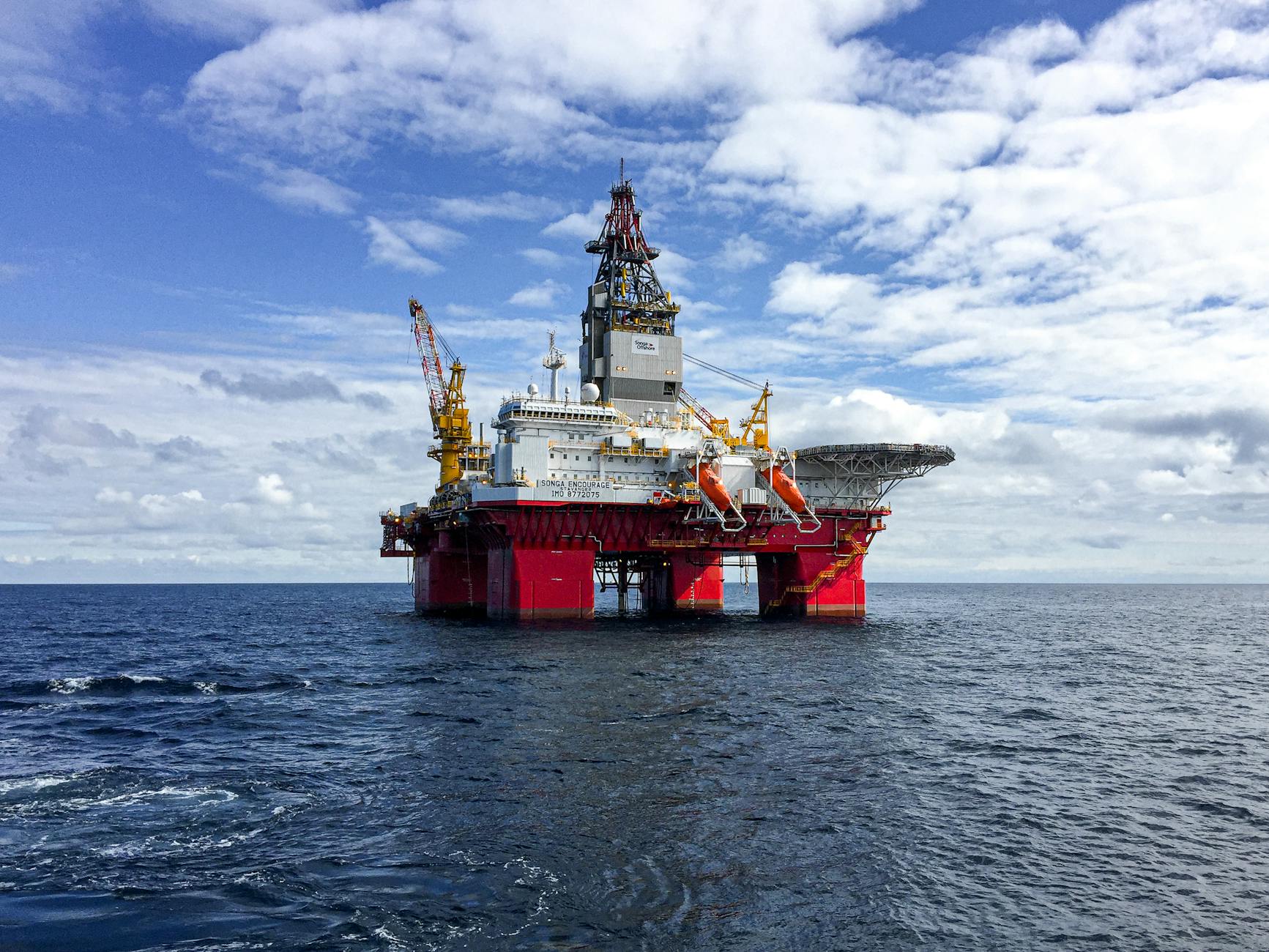
My heart always sinks when I see news footage of hobby eco-protesters standing outside a court building, waving placards, and celebrating the stalling of yet another commercial project. This time It was the Rosebank oil exploration project, off Shetland, in which Shell had invested £800 million and involved one of the largest undeveloped oil and gas fields in the UK continental shelf, containing an estimated 300 million barrels. And why do our most senior judiciary seem to think it is their mission to wave their green credentials to tease out the tiniest administrative flaw in the regulatory approval process, to send everything back to the drawing board? Who appoints these people? It follows hot on the heels of another court judgment crushing implementation of proposals to open Britain’s first new coal mine at Whitehaven, for more than 30 years. In each case, the judicial mantra was the same. “That the proposals failed to adequately assess the greenhouse gas emissions tied to burning fossil fuels.” And we know that with a government energy minister so opposed to fossil fuel extraction, that none of these projects are ever likely to happen. But haven’t these eminent legal brains slightly missed the point?
Yes – we know that burning fossil fuels causes climate change. Which is why we need to put in place viable alternatives .But neither the Rosebank nor the Whitehaven projects were about burning fossil fuels. They were about extracting fossil fuels so that we don’t have to import them from abroad. Either way. fossil fuels will still be burnt, because at the moment we have nothing else. And of course those projects would have also created thousands of well-paid jobs. So what is the point they are making? And it is entirely appropriate for me to refer to these eco-protesters as hobbyists, as none of them would have suffered direct personal detriment as a result of either of these projects. It is all about the big abstract ‘we’. And what message does it send to the outside world? A Britain which is so up itself that it is prepared to cut off its nose to spite its commercial face. Who would want to invest in us? The next big battle is going to be about the proposed third runway at Heathrow Airport. Even if it goes ahead, I’m not sure that I will still be around when it is completed. But that’s no reason not to support it.
I really blame the last conservative government for this farce. They had 14 years to drive these projects through. But instead they preferred to spend their time posturing about Brexit and their precious Rwanda scheme, as everything else around them fell apart. And they were a government which was in hock to the NIMBY lobby, which is why the cost of HS2 ballooned almost to the point of cancellation.
When it comes to the third Heathrow runway, I’m with Rachel Reeves. I know she’s had a bad press, but I’m convinced that she’s trying to do her best to grow the British economy. Again, so different from the last lot, the ‘party of business’. But even now, opposition to the third runway is cranking into gear, not least from London Mayor Sadiq Khan, who has promised court proceedings to try to stall the project.
Spending my money to fight a court case against his own parliamentary party? What is that all about? And he hasn’t even consulted me. A case of public money fighting public money. How wasteful. But that is Britain today.
 BRUCE AND HOLLY